Taiwan’s Quaser Joins EU Energy Week Hydrogen Talks on Decarbonising Semiconductors and AI
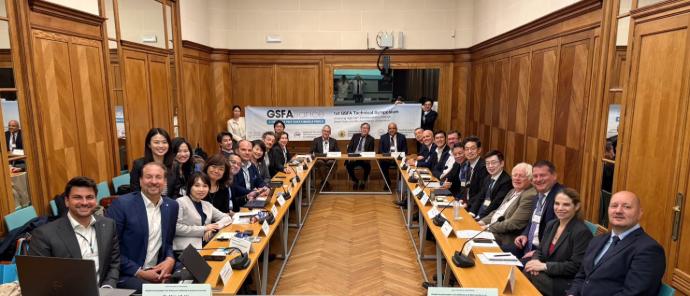
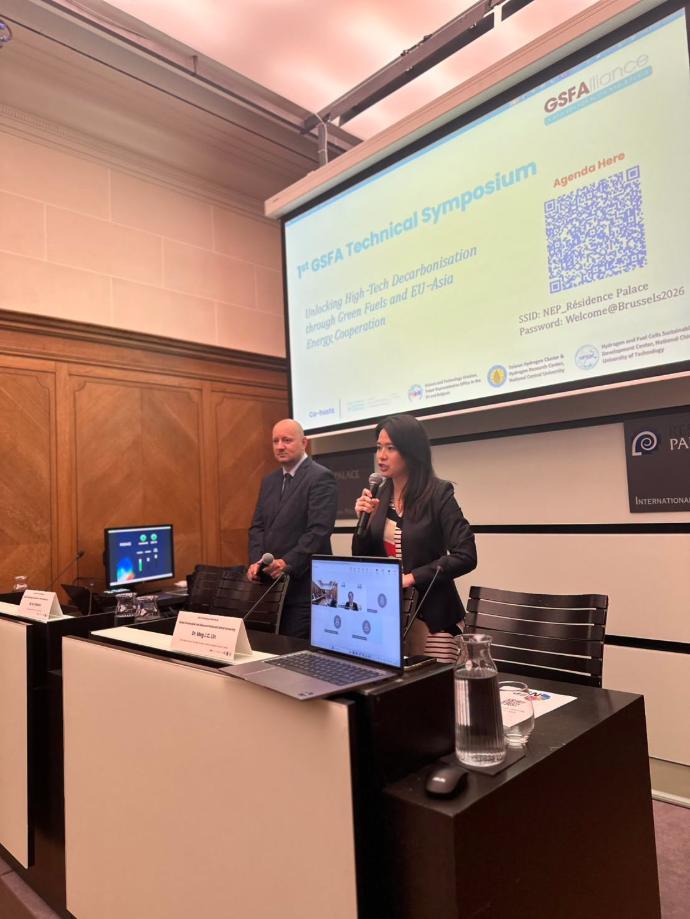
The Global Sustainable Fuel Alliance (GSFA) convened a closed-door technical and regulatory meeting during European Sustainable Energy Week (EUSEW) in Brussels on June 9, bringing together experts and institutional representatives from 15 countries to discuss how hydrogen and sustainable fuels could support decarbonisation in the semiconductor and artificial intelligence industries.
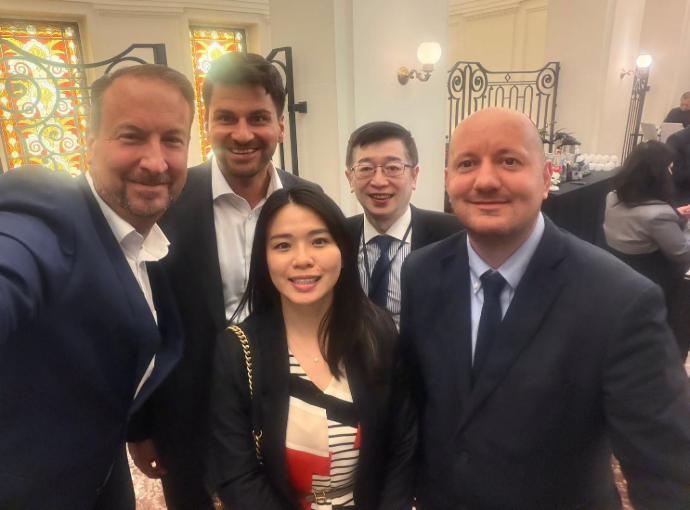
Taiwan was represented by Meg Lin, VP Business Development of Quaser Group, CEO of the GSFA, and Deputy Director of the Hydrogen Research Center at National Central University. Participants from Belgium, France, Germany, the United Kingdom, the Czech Republic, the Netherlands, Norway, Bulgaria, Japan, Taiwan, Malaysia, Singapore, Australia, the United States and Canada exchanged views on green fuels, cross-border hydrogen cooperation and industrial decarbonisation strategies.
The meeting was co-chaired by Meg Lin and GSFA International Cooperation Advisory Director Dr. Ivo Stachiv. Opening remarks were delivered by senior representatives from Taiwan’s mission to the EU and Belgium, as well as delegates from Germany, the Czech Republic and Japan, reflecting growing international interest in hydrogen technology, clean energy cooperation and industrial transition.
Speakers at the meeting reviewed current cross-border hydrogen projects and discussed regulatory and technical pathways for deployment. Meg Lin said the energy transition of the semiconductor and AI industries will require not only more low-carbon electricity, but also scalable solutions that can support industrial demand, strengthen grid resilience and help companies advance toward international climate goals such as RE100 and the Science Based Targets initiative.
Quaser and Winbro have long focused on advanced manufacturing technologies for the aerospace, hydrogen and semiconductor sectors. The company said its participation in EUSEW reflects a broader effort to deepen engagement with European and international clean energy markets and explore opportunities linked to net-zero industrial transformation.
Participants said sustainable fuels such as e-methanol, hydrogen and ammonia could play a broader role in industrial processes, power generation, heat applications and transport, while also serving as potential cross-border energy carriers that may improve system flexibility and resilience. For semiconductor fabs, AI data centres, microgrids and other critical infrastructure, such technologies could also help address the intermittency of renewable energy, according to speakers at the meeting.
The discussion also focused on policy coordination, certification and market development across Europe and Asia. Participants said stronger alignment on standards, regulatory frameworks and commercial models will be needed to support cross-border trade in sustainable fuels and help energy-intensive industries decarbonise at scale.
Taiwan’s Quaser Joins EU Energy Week Hydrogen Talks on Decarbonising Semiconductors and AI
2026/06/11